Explore Sliding Aluminium Doors
Sliding Doors against Traditional Doors: Which Type Is Ideal for You?
Selecting between sliding doors and standard doors involves multiple factors. Each option presents unique benefits and disadvantages that can profoundly affect a home's performance and visual appearance. Space constraints, thermal performance, and security are just a few factors to weigh. Recognizing these components will help clarify which door type corresponds best with individual needs. What might be the best fit for your home? The answer varies based on personal circumstances and preferences.

Finding the Correct Alternative: Essential Factors to Consider for Your Home
When choosing from sliding doors and traditional doors, what key factors should homeowners consider? Space accessibility is crucial; sliding doors need less clearance, making them ideal for tighter areas. Conversely, traditional doors require room to swing open, which can limit placement options. Aesthetic preferences also play a important role, as sliding doors provide a modern look while traditional doors can evoke classic charm.
Energy conservation is another consideration. Sliding doors often feature large glass panels that may impact insulation, while traditional doors can offer better thermal efficiency if properly sealed. Security issues are crucial; traditional doors typically come with robust locking mechanisms, whereas sliding doors may need additional reinforcement.
Additionally, maintenance requirements can vary; sliding doors may demand more upkeep due to seals and tracks. Ultimately, examining these considerations helps homeowners make an informed decision that matches their unique requirements and living situation.
Why Opt for Sliding Doors?
Sliding doors present substantial benefits for dwellers seeking efficiency and style. Their space-saving design facilitates for effortless shifts between external and internal areas, expanding usable space. Additionally, the expansive glass panels amplify natural light, creating a more radiant and more engaging atmosphere.
Optimize Your Square Footage Advantages
Many inhabitants seek effective ways for expanding space, and sliding doors offer a appealing alternative to traditional doors. Unlike conventional doors that swing open, sliding doors operate on a track, eliminating the need for clearance space. This feature makes them particularly valuable in smaller rooms or tight hallways where every inch is crucial. Moreover, sliding doors can seamlessly integrate into existing layouts, allowing for more flexible furniture arrangements. Their design also facilitates easy access to outdoor areas, increasing utility without taking additional interior space. Additionally, sliding doors can create a more open feel, contributing to a less cluttered environment. Overall, the space-saving benefits of sliding doors make them an attractive option for those looking to optimize their living areas.
Increased Natural Light
The construction of sliding doors not only maximizes space but also improves natural light in a home. Unlike traditional doors, which swing open and can block light flow, sliding doors offer expansive glass panels that invite sunlight to flood interior spaces. This feature creates a brighter atmosphere, making rooms appear larger and more inviting. Additionally, the seamless shift between indoor and outdoor areas allows homeowners to enjoy unobstructed views, further enhancing the feeling of openness. By incorporating sliding doors, individuals can reduce reliance on artificial lighting during the day, promoting a more energy-efficient environment. Ultimately, the integration of sliding doors can greatly transform a home, making it a more vibrant and welcoming space filled with natural light.
The Timeless Allure of Period Doors
While contemporary design trends often advance to innovative solutions, traditional doors maintain an enduring charm that speaks to generations. Characterized by their artisanal quality and classic aesthetics, these doors trigger a nostalgic feeling and coziness that resonates with many homeowners. Often made from solid wood, traditional doors provide a robust and timeless look, amplifying the personality of any space.
Their detailed patterns, such as raised panels and embellished trim, present a luxurious textural quality that complements various structural aesthetics, from colonial to contemporary. Traditional doors also signify a notion of permanence, making them a preferred choice for those seeking to create an warm environment.
Also, their adaptability allows for customization, enabling homeowners to select finishes and hardware that reflect personal style. In an era of rapid change, the appeal of traditional doors endures, embodying a classic elegance that continues to fascinate.
Weighing Energy Conservation in Sliding against Traditional Doors?
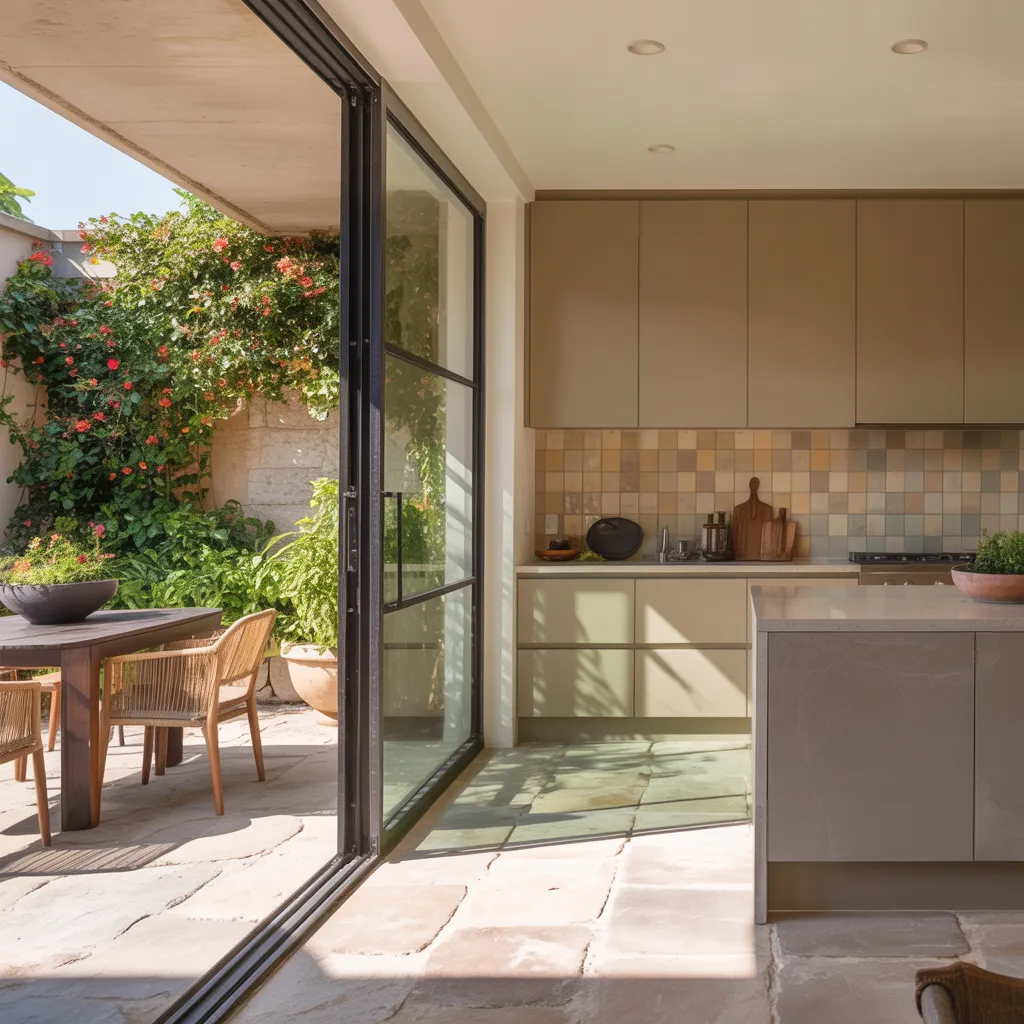
Energy efficiency plays a vital role in the decision between sliding and traditional doors. Sliding doors often present large glass panels that can strengthen natural light but may compromise insulation if not adequately sealed. These doors customarily use weather stripping to reduce air leakage, yet the expansive surface area can lead to increased heat loss or gain, depending on the season.
Conversely, time-honored doors, especially wood or fiberglass alternatives, commonly provide superior insulation. Their smaller dimensions and fewer seams produce decreased air leakage, establishing them as a sound selection for environmentally aware homeowners. Furthermore, traditional doors can be furnished with advanced glass alternatives, even further improving their thermal performance.
Ultimately, the decision copyrights on personal preferences—while sliding doors offer visual beauty and panoramic vistas, traditional doors may provide superior energy conservation and thermal protection, making them a practical choice in various climates.
What Is the Price of Standard and Sliding Doors?
The cost of traditional and sliding doors can differ significantly based on material choices and installation. While installation costs may vary due to design complexity, the typical costs for material options also play an important role in overall price determination. Comprehending these factors is vital for determining the right choice.
Deployment Charges Comparison
When evaluating installation expenses, sliding doors often pose a more premium option compared to traditional doors. The intricacy of their installation, which may necessitate specialized tracks and structural adjustments, contributes to higher labor costs. Additionally, the need for professional installation is more common with sliding doors due to their mass and size. In contrast, traditional doors generally involve simpler installation processes, making them more budget-friendly. Homeowners might also consider the potential need for additional framing or article reinforcement when installing sliding doors, further boosting overall expenses. Ultimately, while sliding doors might add stylistic charm, their installation costs can be a significant factor for budget-conscious homeowners when making a decision between the two options.
Typical Material Outlays
Setup costs are only one aspect of the overall expense when considering sliding versus traditional doors. The material expenses for these door types can change substantially. Traditional doors, typically made from wood, fiberglass, or steel, generally cost $200 to $1,500, depending on the material and design complexity. In contrast, sliding doors, often constructed from glass or aluminum, usually start around $300 and can exceed $2,000 for high-end models. The choice of materials not only affects initial costs but also sustained maintenance. For instance, while wooden doors may require intermittent refinishing, sliding glass doors often necessitate regular cleaning to maintain visibility. Ultimately, understanding material expenses is important for making an informed decision between the two door types.
Maintaining Your Asset: Sliding vs. Traditional Doors
Preserving the condition of both sliding and traditional doors requires varied approaches, since each style presents unique obstacles and strengths. Sliding doors often rely on tracks and rollers, making regular cleaning necessary to stop debris buildup that may restrict movement. Periodic lubrication of the tracks is also necessary to ensure smooth operation. Furthermore, it is important to inspect the seals around sliding doors frequently to avoid air leaks and water intrusion.
In contrast, traditional doors primarily require attention to copyrights and frames. Regular checks for damage or corrosion on copyrights are critical, as well as making sure that the door aligns properly within the frame. Finishing or coating wooden doors can help shield from weather damage. Both door types benefit from regular check-ups and maintenance schedules, enabling owners to prolong their life and maintain aesthetic appeal. Ultimately, grasping these upkeep requirements is fundamental for preserving the functionality and appearance of either door style.
How Secure Are Sliding and Traditional Doors?
Although both traditional and sliding doors function as entry points to a home, their protection capabilities differ markedly. Traditional doors typically feature a solid frame and a deadbolt lock, delivering robust protection against forced entry. The use of resilient materials like wood or metal further strengthens their security, making them a popular choice for homeowners emphasizing safety.
In comparison, glass sliding doors often feature glass panels, which can be more vulnerable to break-ins. While many modern sliding doors possess multi-point locking systems, they may still be at risk if not properly secured. Additionally, the rail systems on which they slide can be a weak point, allowing intruders to lift the door off its track.
Ultimately, the choice between sliding and traditional doors depends on personal security needs. Property owners are advised to assess their specific situations and think about extra safety features, including security alarms and reinforced locks, to enhance overall safety.
Frequently Requested Questions
Curious if Sliding Glass Panels Work in Tight Rooms?
Yes, bypass doors can be fitted in small spaces. Their construction permits efficient use of limited areas, as they do not demand swing clearance, establishing them as an ideal alternative for cramped settings and maximizing functional space.
What Varieties Are Provided for Standard Doors?
Traditional doors come in many different designs, such as panel, French, bi-fold, and barn doors. Each design delivers distinctive appearance and operational benefits, addressing different preferences and architectural preferences in residential and commercial spaces.
Can Sliding Glass Doors Protect Pets Secure?
Sliding doors may present risks for pets, especially when they lack dependable locking systems. Owners must verify correct placement and explore features such as tempered glass to improve safety for their beloved pets.
How Can I Choose the Right Door Hardware for My Doors?
When selecting door hardware, consider look, functionality, and security. Assess fit with the door type, opt for materials that match decor, and confirm ease of use. Most importantly, emphasize durability for enduring functionality and protection.
Is it viable to adjust the size of Sliding Doors?
Yes, sliding glass doors can be customized in size to suit specific openings. Many manufacturers present personalized options, allowing for adjustments in height and width to accommodate varying design considerations and requirements, providing a seamless installation.